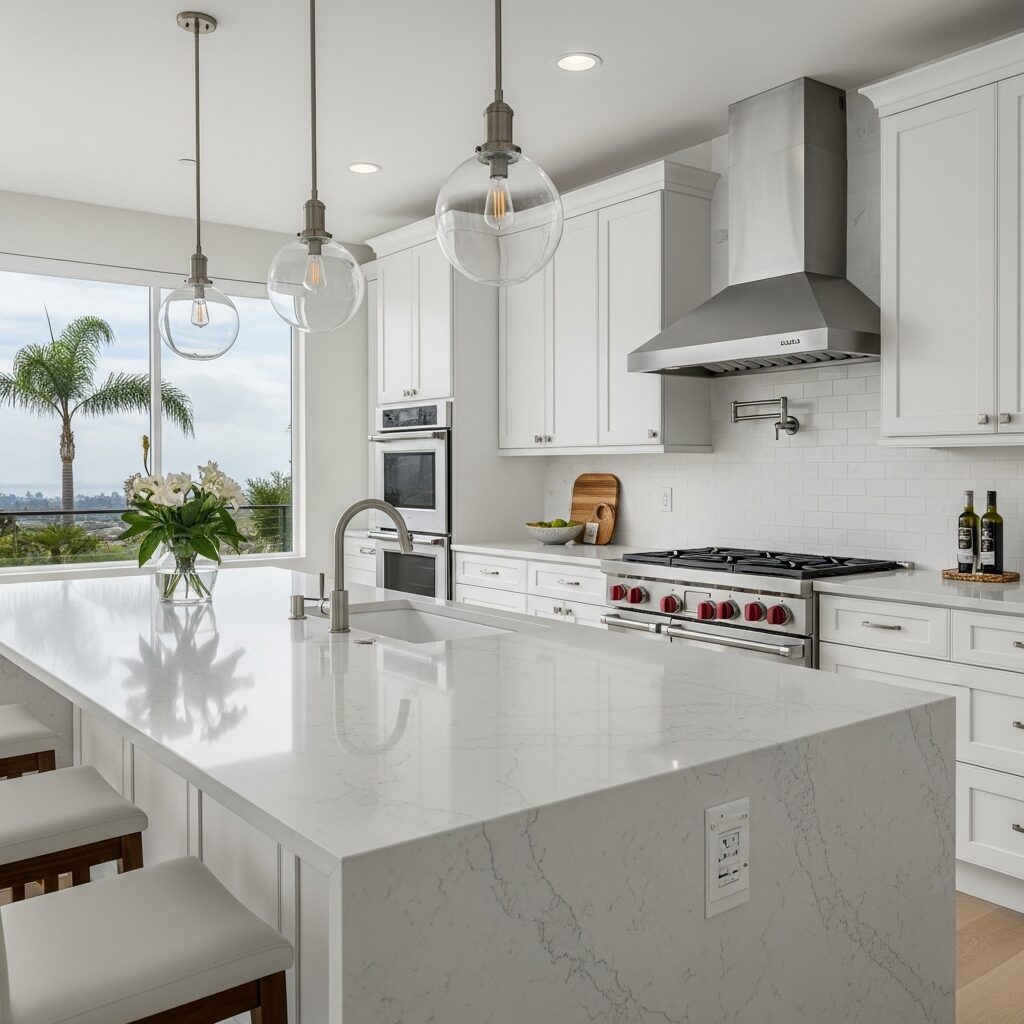
Recognize Functional Obsolescence in Your Kitchen & Bathroom
In the world of residential real estate and home design, trends come and go. But beneath the surface of fleeting styles lies a more critical issue that can significantly impact your home’s value, safety, and daily livability: functional obsolescence. It’s the subtle, creeping inadequacy of a space that no longer meets modern standards, even if its components aren’t physically broken. Your kitchen may have granite countertops from the early 2000s and your bathroom tile might be intact, but are these spaces truly serving your contemporary lifestyle? Or are you constantly developing workarounds for poor layouts, insufficient storage, and outdated technology?
As seasoned remodeling professionals with decades of experience transforming homes, we see the signs of kitchen and bathroom obsolescence every day. It’s more than just an avocado green appliance or a pink-tiled bathroom. It’s about fundamental design flaws that create friction in your daily routines and pose potential risks. This guide will help you identify the critical indicators that your most-used rooms are functionally obsolete and explain why a proactive renovation is one of the wisest investments you can make in your property.
What is Functional Obsolescence in Your Home?
Before we diagnose the symptoms, it’s essential to understand the condition. Functional obsolescence isn’t about wear and tear; it’s about outmoded design and utility. It represents a loss in value due to features that are no longer considered adequate or desirable by current market standards.
Defining functional obsolescence in residential spaces
In simple terms, a feature is functionally obsolete when its design, capacity, or technology is outdated. A kitchen with only one electrical outlet on the counter, a bathroom with no ventilation fan, or a layout that forces you to walk around an island to get from the sink to the refrigerator are all examples. The items still “work,” but they fail to meet the functional expectations of a modern home, creating inefficiency and frustration.
How outdated designs impact daily living
An obsolete space forces you to adapt your life to its limitations. You find yourself storing small appliances in a hallway closet because of a lack of counter space, or you’re unable to open the dishwasher and an oven door at the same time. This daily friction accumulates, turning what should be hubs of family life and personal care into sources of constant, low-grade stress. A well-designed space should feel intuitive and effortless; an obsolete one feels like a puzzle you have to solve every day.
The link between obsolescence and property value
Functional obsolescence is a key factor in property appraisal and marketability. A potential buyer doesn’t just see a dated kitchen; they see a mandatory, high-cost renovation project in their immediate future. This directly translates to a lower offer or a property that lingers on the market. An outdated kitchen or bathroom can devalue a home far more than the cost of the renovation itself, making a proactive update a sound financial strategy for preserving and enhancing your investment.
Subtle Signs Your Kitchen Has Outlived Its Purpose
The kitchen is the heart of the home, but when its design is obsolete, it can feel more like a bottleneck. Here are the tell-tale signs that your kitchen is no longer performing its essential duties.
Inefficient workflow and poor layout ergonomics
The classic “kitchen work triangle”—the strategic placement of the sink, stove, and refrigerator—was developed for a reason. In obsolete kitchens, this principle is often ignored. You might find yourself taking dozens of extra steps to prepare a simple meal. Workflows are interrupted by poorly placed islands or peninsulas. The countertops may be too low or too high, causing back strain. A modern kitchen remodeling project prioritizes ergonomic design, creating zones for prep, cooking, and cleaning that flow logically and reduce physical strain.
Lack of smart storage solutions and pantry space
Are your countertops cluttered with appliances? Are you digging into deep, dark corner cabinets to find a specific pot? This is a clear sign of obsolete storage. Older kitchens lack the sophisticated solutions that define modern design. Today’s spaces utilize every square inch with features like pull-out pantry towers, drawer-based storage for pots and pans, vertical dividers for baking sheets, and corner cabinet lazy Susans. Upgrading to modern cabinet solutions isn’t just about looks; it’s about reclaiming your space and creating an organized, efficient environment.
Outdated appliance integration and energy consumption
Kitchens from 20-30 years ago were not designed to accommodate today’s larger, more powerful appliances. A standard 30-inch opening for a refrigerator is no longer sufficient for the popular French door models. Microwaves sit on the counter, consuming valuable prep space. Furthermore, appliances from that era are energy vampires, contributing to higher utility bills. A modern renovation integrates appliances seamlessly—think drawer microwaves, under-counter wine fridges, and panel-ready dishwashers—while prioritizing Energy Star-rated models that reduce your carbon footprint and operating costs.
Lighting deficiencies and poor ambiance
One of the most overlooked signs of obsolescence is poor lighting. Many older kitchens rely on a single, central fluorescent fixture that casts shadows and creates a harsh, uninviting atmosphere. A functional kitchen requires layered lighting: bright, focused task lighting under the cabinets for food prep, ambient overhead lighting for general illumination, and accent lighting to highlight design features. The right lighting transforms a kitchen from a mere utility room into a warm, welcoming gathering space.
Limited counter space and inadequate prep areas
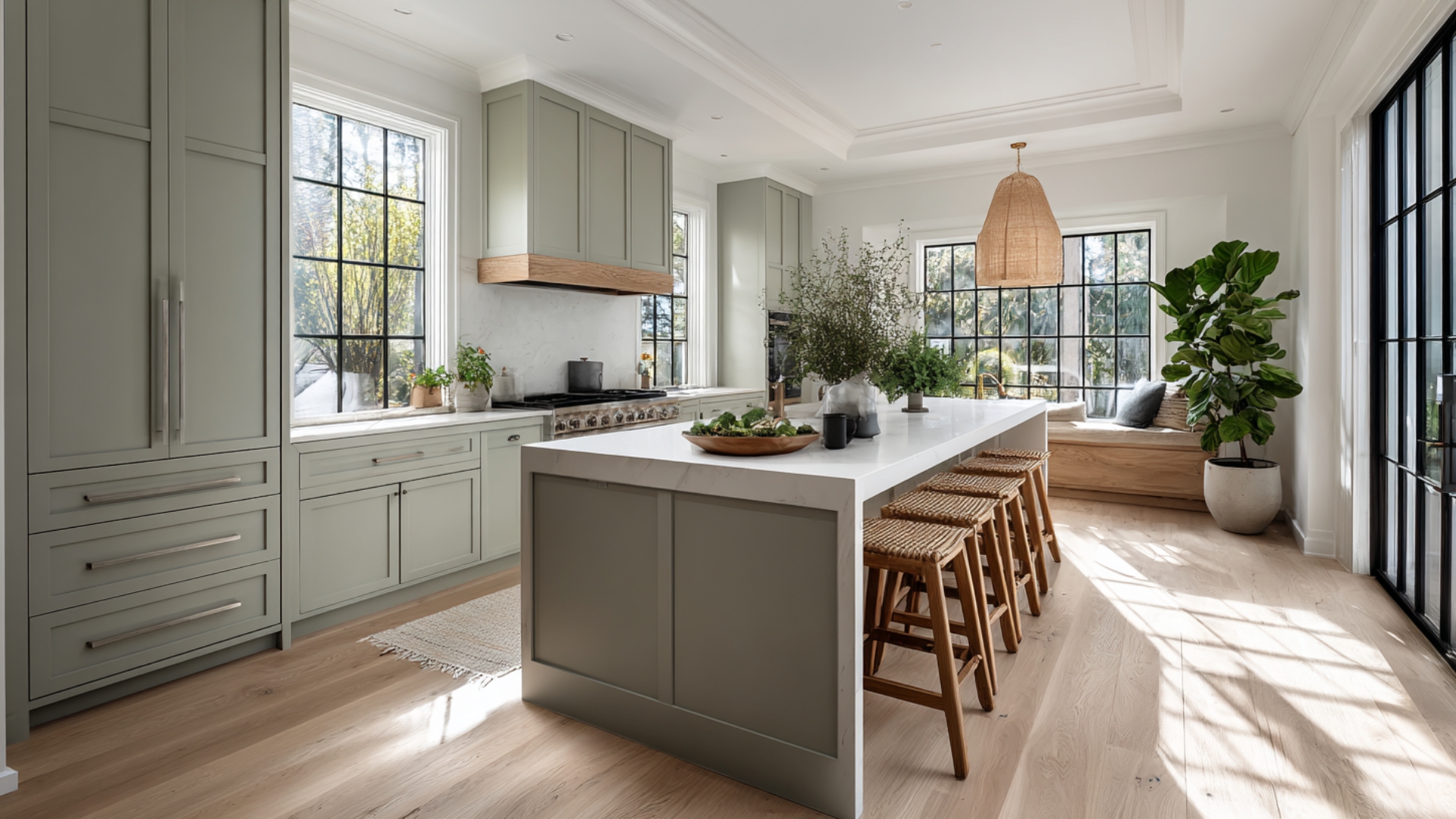
If you’re constantly shuffling cutting boards, bowls, and ingredients to find a clear spot, you’re experiencing a core failure of kitchen design. Older layouts often feature fragmented counter spaces broken up by appliances or sinks. A renovation allows for the consolidation of these areas, creating long, uninterrupted stretches of workspace perfect for meal prep, baking, or setting up a buffet. Choosing modern, durable materials like quartz or quartzite ensures these surfaces are not only beautiful but also non-porous, scratch-resistant, and easy to maintain.
Clear Indicators Your Bathroom Demands a Renovation
A bathroom should be a sanctuary for personal care and relaxation. When it’s functionally obsolete, it becomes a cramped, damp, and potentially hazardous space.
Ineffective ventilation leading to moisture issues
This is arguably the most critical issue in an aging bathroom. An underpowered or nonexistent exhaust fan is a recipe for disaster. Trapped moisture leads to peeling paint, warped cabinetry, and, most seriously, the growth of mold and mildew behind walls and under floors. This is not just an aesthetic problem; it’s a direct threat to your home’s structural integrity and your family’s health. Modern ventilation systems are quiet, powerful, and often equipped with humidity sensors to operate automatically.
Outmoded fixture designs and water inefficiency
That old, low-slung toilet might still flush, but it’s likely using 3.5 gallons per flush or more, compared to the 1.28 gallons used by modern WaterSense-certified models. Leaky faucets and showerheads contribute to wasted water and higher bills. A bathroom renovation is an opportunity to install efficient, high-performance fixtures that conserve resources and lower your utility costs over the long term.
Insufficient storage and cluttered vanities
Pedestal sinks look elegant but offer zero storage. Small, shallow vanities result in countertops littered with toiletries. An obsolete bathroom design completely overlooks the need for practical storage. A renovation can incorporate solutions like spacious vanities with deep drawers, recessed medicine cabinets, and built-in linen towers to keep the space organized and serene.
Accessibility challenges and safety hazards
Safety should be paramount in a wet environment like a bathroom. High tub-showers are a major trip and fall hazard, especially for older adults or those with mobility issues. Slippery, small-format tile floors offer little traction. A renovation can address these risks by installing a curbless, walk-in shower, non-slip tile, and strategically placed grab bars that are both stylish and secure.
Beyond Aesthetics: Safety & Efficiency Concerns
The problems of functional obsolescence run deeper than looks. Outdated systems within your walls can pose significant risks and lead to escalating costs.
Electrical system limitations and outdated outlets
Kitchens and bathrooms are wet zones where electrical safety is non-negotiable. Many older homes lack Ground Fault Circuit Interrupter (GFCI) outlets, which are required by modern building codes to prevent electrocution. Furthermore, existing circuits may be unable to handle the load of modern appliances like high-powered hair dryers and coffee makers simultaneously, leading to frequently tripped breakers.
Plumbing issues: leaks, low pressure, and old pipes
Out of sight, out of mind? Not with old plumbing. Galvanized steel or old copper pipes can corrode from the inside out, leading to pinhole leaks, restricted water flow, and potential water damage within your walls. A comprehensive renovation allows a professional to assess and replace aging supply lines and drains, protecting your home from a catastrophic failure down the road.
Potential for hidden hazards and health risks
A renovation often uncovers hidden dangers. Asbestos in old vinyl flooring or popcorn ceilings, lead paint on walls, and hidden mold colonies are common discoveries in older homes. A professional remodeling team is trained to identify and safely remediate these hazards, ensuring your newly renovated space is not only beautiful but also healthy.
The Value of Proactive Kitchen and Bathroom Remodeling
Addressing functional obsolescence is not an expense; it’s a strategic investment in your property and your quality of life. For homeowners in Orange County, Riverside, and San Bernardino looking to elevate their living spaces, a professionally managed renovation is the definitive solution.
Enhancing daily functionality and modern convenience
The primary benefit of a renovation is the dramatic improvement in your daily life. Imagine cooking in a truly functional and beautiful kitchen that feels intuitive, or starting your day in a spa-like bathroom that is organized and tranquil. This enhancement of your daily routine provides a return on investment that can’t be measured in dollars alone.
Increasing property value and market appeal
Kitchen and bathroom renovations consistently rank among the projects with the highest ROI. A modern, updated space is a powerful selling point that attracts more buyers and commands a higher price. It moves your home from the “needs work” category to “turnkey,” a distinction that is highly valued in today’s competitive real estate market.
Improving home safety and structural integrity
A proper renovation upgrades your home to meet current safety codes. This includes modernizing electrical and plumbing systems, ensuring proper ventilation to prevent moisture damage, and addressing any structural issues discovered during the process. It’s an investment in the long-term health and stability of your property.
Personalizing spaces to reflect contemporary lifestyles
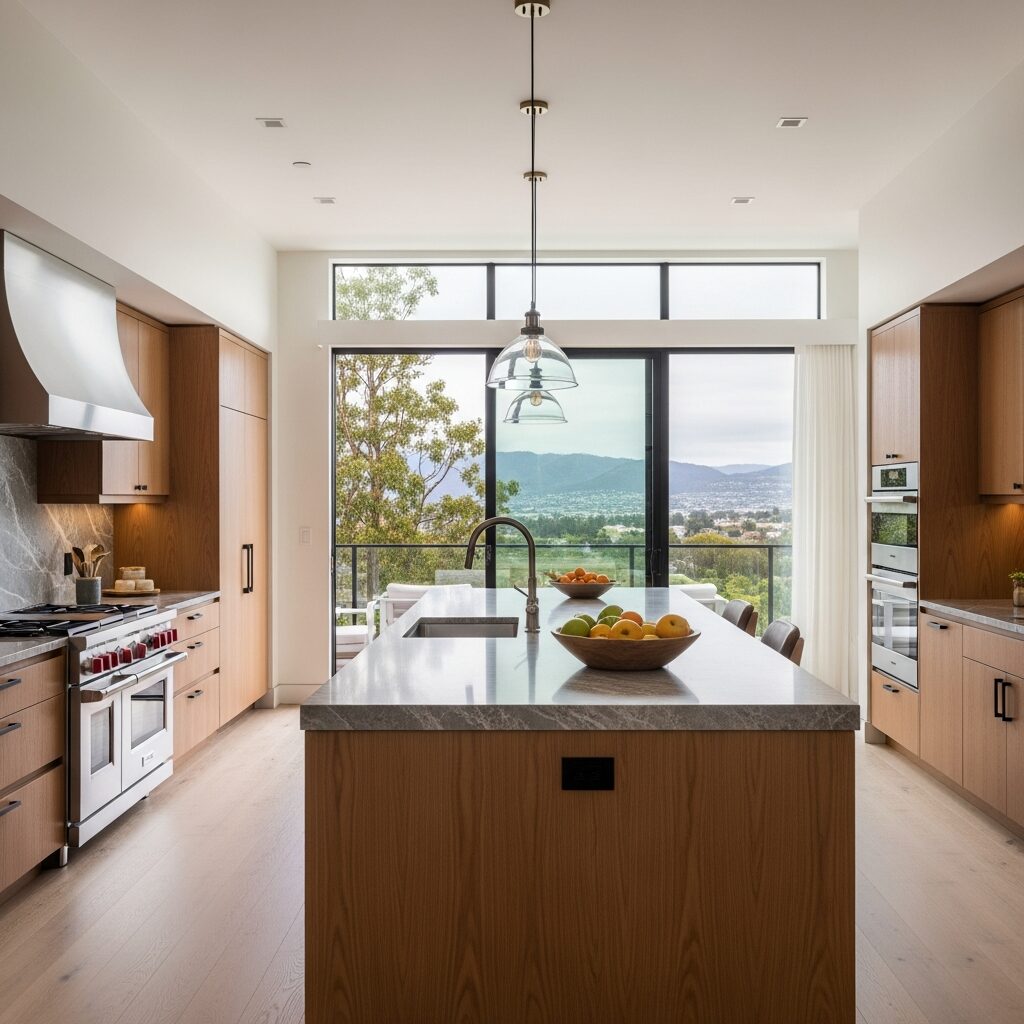
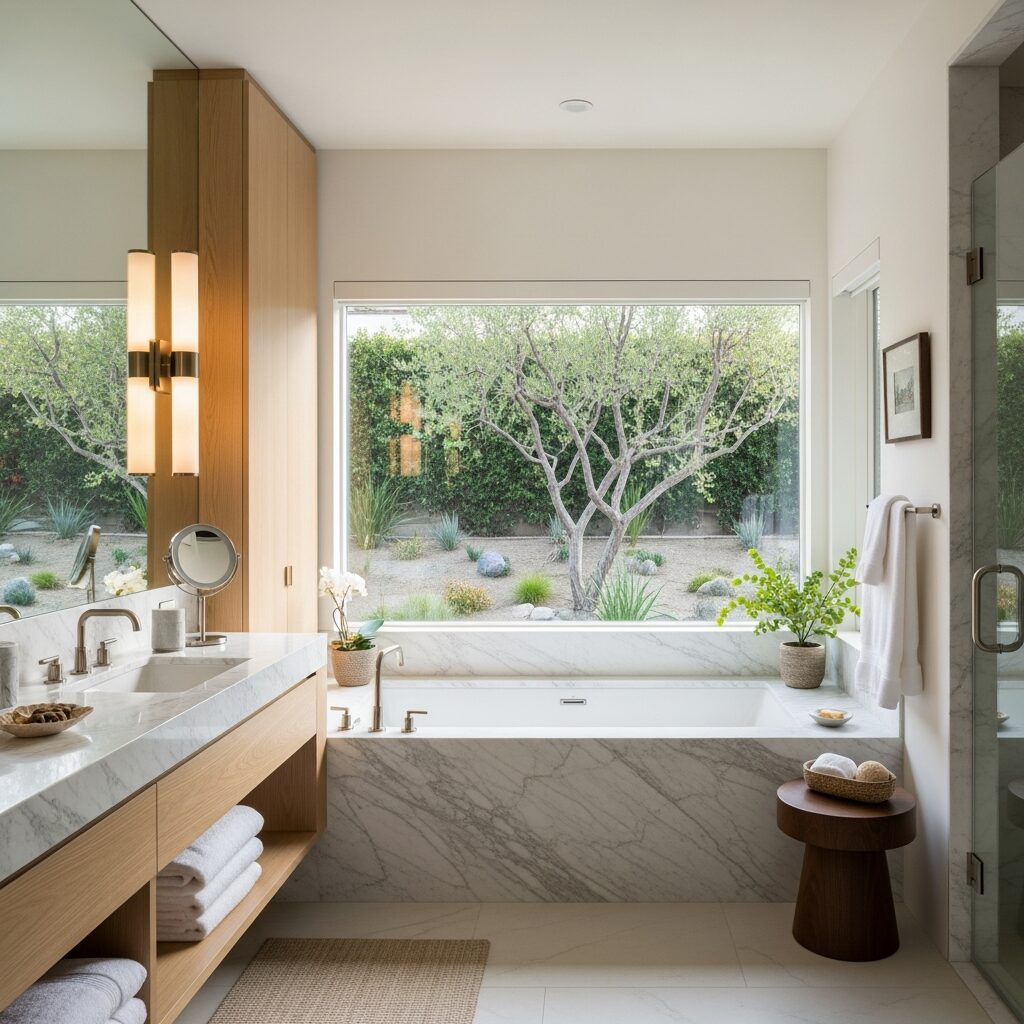
Ultimately, a renovation empowers you to create spaces that perfectly align with your lifestyle. Whether you need a large kitchen island for entertaining, a dedicated coffee bar, or a master bathroom with a freestanding tub and steam shower, remodeling allows you to tailor your home to your exact specifications. It’s your opportunity to erase the frustrations of an obsolete design and build a space that truly works for you and your family.
Recognizing the signs of functional obsolescence is the first step toward unlocking your home’s true potential. Don’t settle for a space that works against you. Invest in a renovation that enhances your lifestyle, increases your property’s value, and ensures your home is safe, efficient, and beautiful for years to come. Get a Free in-home estimate.
