

California’s renovation market is not monolithic, and treating it that way is a missed opportunity. The design preferences, budget behaviors, and material choices that drive demand in Orange County differ meaningfully from those in San Diego, Los Angeles, or the Inland Empire. Understanding these regional variations is how premium contractors position themselves as specialists rather than generalists.
What’s actually driving renovation demand across Southern California right now?
The renovation market in Southern California remains robust, but it’s not uniform. Homeowners are renovating for different reasons depending on where they sit. In established coastal and foothill communities, the driver is often lifestyle upgrade and material authenticity. Kitchens and bathrooms are being reimagined as the functional and aesthetic center of the home. In newer suburban markets, the motivation leans toward addressing builder-grade finishes and creating personalized spaces that reflect individual taste.
What’s consistent across the region is this: homeowners are willing to invest in quality when they understand the value. They’re not chasing trends. They’re building homes they want to live in for the next decade. That mindset creates room for a contractor who speaks the language of refined materials, architectural intention, and honest craftsmanship.
Budget capacity varies significantly by submarket. Coastal areas and established neighborhoods command higher project values. The Inland Empire and developing communities show strong demand for mid-range quality improvements. A contractor who can speak credibly to both audiences without diluting their positioning has a structural advantage.
Which services command the strongest margins and demand?
Kitchen and bathroom remodeling remain the anchor services. These are high-visibility projects with meaningful budgets. Homeowners understand that a kitchen renovation affects daily life, resale value, and how they entertain. They’re willing to invest accordingly.
Flooring is the underestimated lever. Most contractors treat it as a secondary service. Positioned correctly, flooring is a design decision that unifies the entire home. Hardwood, luxury vinyl, tile, and carpet each tell a different story about the space. A contractor who educates clients on material performance, aesthetic longevity, and how flooring anchors a design scheme can command premium pricing and repeat business.
Countertops and shower installations are high-touch, visible upgrades that signal quality. These projects often lead to larger kitchen or bathroom conversations. They’re also opportunities to build relationships with design professionals and architects who specify materials and contractors for their clients.
| Service Category | Project Scope Typical Range | Client Decision Driver |
|---|---|---|
| Kitchen Remodeling | High-value, 4-12 week timeline | Lifestyle, daily function, resale |
| Bathroom Remodeling | Mid-to-high value, 3-8 week timeline | Personal retreat, spa aesthetic, aging-in-place |
| Flooring Installation | Variable, design-dependent | Durability, aesthetic cohesion, material authenticity |
| Countertops & Cabinets | Mid-value, 2-6 week timeline | Material quality, visual impact, functionality |
| Shower & Tub Installation | Mid-value, 1-4 week timeline | Luxury feel, water efficiency, design statement |
What design preferences actually matter in Southern California?
Minimalist modernism is not a trend here. It’s the dominant aesthetic language. Clean lines, neutral palettes, material honesty, and geometric precision appeal across income levels and age groups. This is not about cold minimalism. It’s about spaces that feel intentional and calm.
Warm metallic accents and natural materials are non-negotiable. Brass, bronze, and warm steel fixtures paired with wood, stone, and quality tile create spaces that feel both contemporary and timeless. Homeowners are rejecting the all-white, all-gray aesthetic in favor of materials that age gracefully and feel authentic.
Water features and spa-like bathrooms are consistently requested. Rainfall showerheads, soaking tubs, heated floors, and natural light are standard expectations in mid-to-premium bathroom projects. This isn’t luxury anymore. It’s baseline.
Open-concept kitchens remain popular, but the trend is shifting toward defined zones. Islands with seating, peninsula counters, and subtle material changes create visual separation without walls. This appeals to families who want connection with sight lines but also definition and function.
Pro tip: Material selection is where you differentiate. Most contractors show options. Premium contractors educate clients on how materials perform over time, how they age, and why a higher-quality tile or countertop is an investment, not an expense. This conversation builds trust and justifies premium pricing.
How do premium contractors actually stand out in this market?
Specialization beats generalization every time. A contractor who positions as a kitchen and bathroom specialist with deep expertise in material selection, design coordination, and execution quality will command better projects and higher margins than one who claims to do everything.
Architectural literacy matters. Understanding how a kitchen renovation affects sightlines, traffic flow, and natural light shows clients you’re thinking about the home as a whole, not just completing a task. This is how you attract design-forward homeowners and build relationships with architects and interior designers who bring consistent referrals.
Material curation is a brand signal. Offer a curated selection of premium options rather than unlimited choices. This shows confidence, reduces decision fatigue for clients, and reinforces your positioning as someone who knows what works. A contractor who can explain why a specific tile, countertop, or cabinet finish aligns with a home’s architecture and the client’s lifestyle is operating at a different level than one who just takes orders.
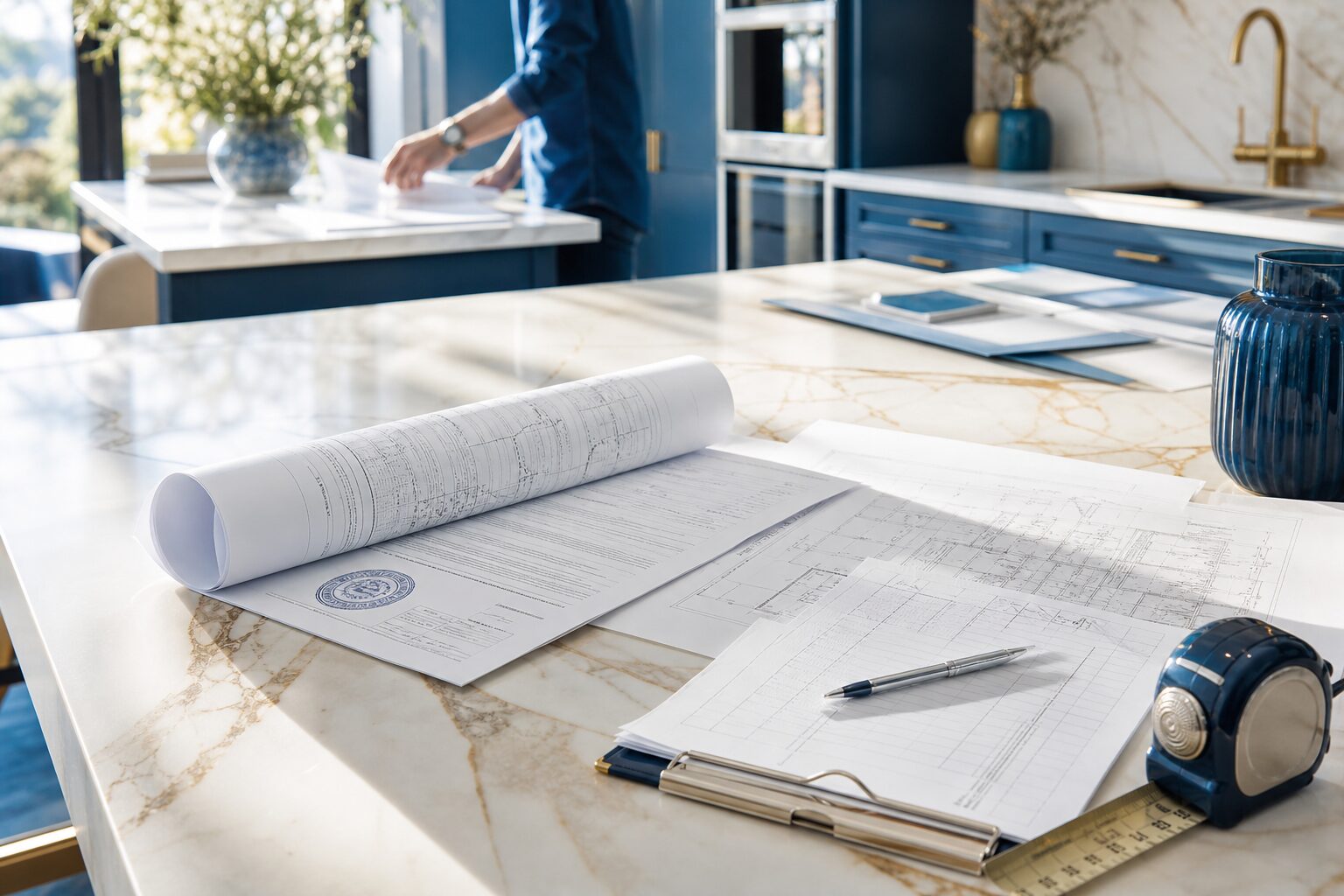
Process transparency builds credibility. Document your work. Show clients the phases, the timeline, the decisions, and the reasoning. This reduces anxiety and positions you as professional and organized. Homeowners expect this from premium contractors.
Relationships with design professionals are structural advantages. Architects, interior designers, and design-build firms refer work to contractors they trust. Building these relationships requires showing up, understanding their language, respecting their vision, and delivering consistently. This is slower than chasing leads, but it’s more stable and more profitable.
What’s the competitive landscape actually look like?
The market is fragmented. There are many contractors, but few positioned as premium specialists. Most compete on price or availability. This creates opportunity for a contractor with clear positioning, strong execution, and the ability to communicate value.
Local reputation matters more than digital noise. Homeowners in Southern California talk to neighbors, ask for referrals, and research contractors thoroughly. A strong local reputation, consistent quality, and professional communication will generate more qualified leads than aggressive marketing.
Licensing, insurance, and compliance are table stakes. Make sure your credentials are current, your insurance is comprehensive, and your permits are clean. Homeowners are increasingly cautious about contractor selection. Professional credentials are the first filter.
Frequently Asked Questions
What’s the typical project timeline for a kitchen remodel in Southern California?
A full kitchen remodel typically runs 8 to 12 weeks, depending on scope, material selections, and any structural changes. Partial renovations or cabinet-and-countertop projects can be completed in 4 to 6 weeks. Timeline depends heavily on permit processing, which varies by municipality, and material lead times for custom or imported finishes.
Are homeowners in Southern California willing to pay for premium materials?
Yes, but with conditions. They want to understand the value. A contractor who can articulate why a higher-grade tile performs better, why a premium countertop material justifies the cost, or how a specific fixture choice aligns with the home’s design will find receptive clients. Price alone doesn’t drive decisions. Value and longevity do.
Which flooring type is most requested in Southern California renovations?
Luxury vinyl flooring and tile are the most common choices, followed by hardwood in higher-end projects. Luxury vinyl appeals for its durability, aesthetic range, and cost-effectiveness. Tile dominates in kitchens and bathrooms for performance and design flexibility. Hardwood is chosen for living spaces and bedrooms where warmth and authenticity are priorities.
How important is design coordination with architects or interior designers?
Very important for premium positioning. Architects and designers refer work to contractors they trust. Building these relationships requires understanding their process, respecting their vision, and delivering consistently. For a contractor aiming for higher-value projects and repeat business, these relationships are more valuable than individual homeowner leads.
What permits are required for bathroom and kitchen remodels in Southern California?
Most kitchen and bathroom remodels require building permits, especially if they involve plumbing, electrical, or structural changes. Permit requirements vary by city and county. Working with a contractor who handles permitting, understands local codes, and manages the approval process is essential. This adds timeline but ensures compliance and protects the homeowner.
How do I position my contracting business as premium rather than budget-focused?
Specialize in a specific service area (kitchens, bathrooms, flooring). Develop expertise in material selection and design coordination. Build relationships with design professionals. Document your work and show your process. Communicate the value of quality materials and craftsmanship, not just the price. Premium positioning is about clarity, consistency, and credibility, not marketing spend.
