
Luxury kitchens in California have stopped being all-white boxes. The shift is toward warm-toned minimalism paired with integrated stone, fluted cabinetry, and appliances that disappear into the wall, a design language that feels intentional, not sterile.
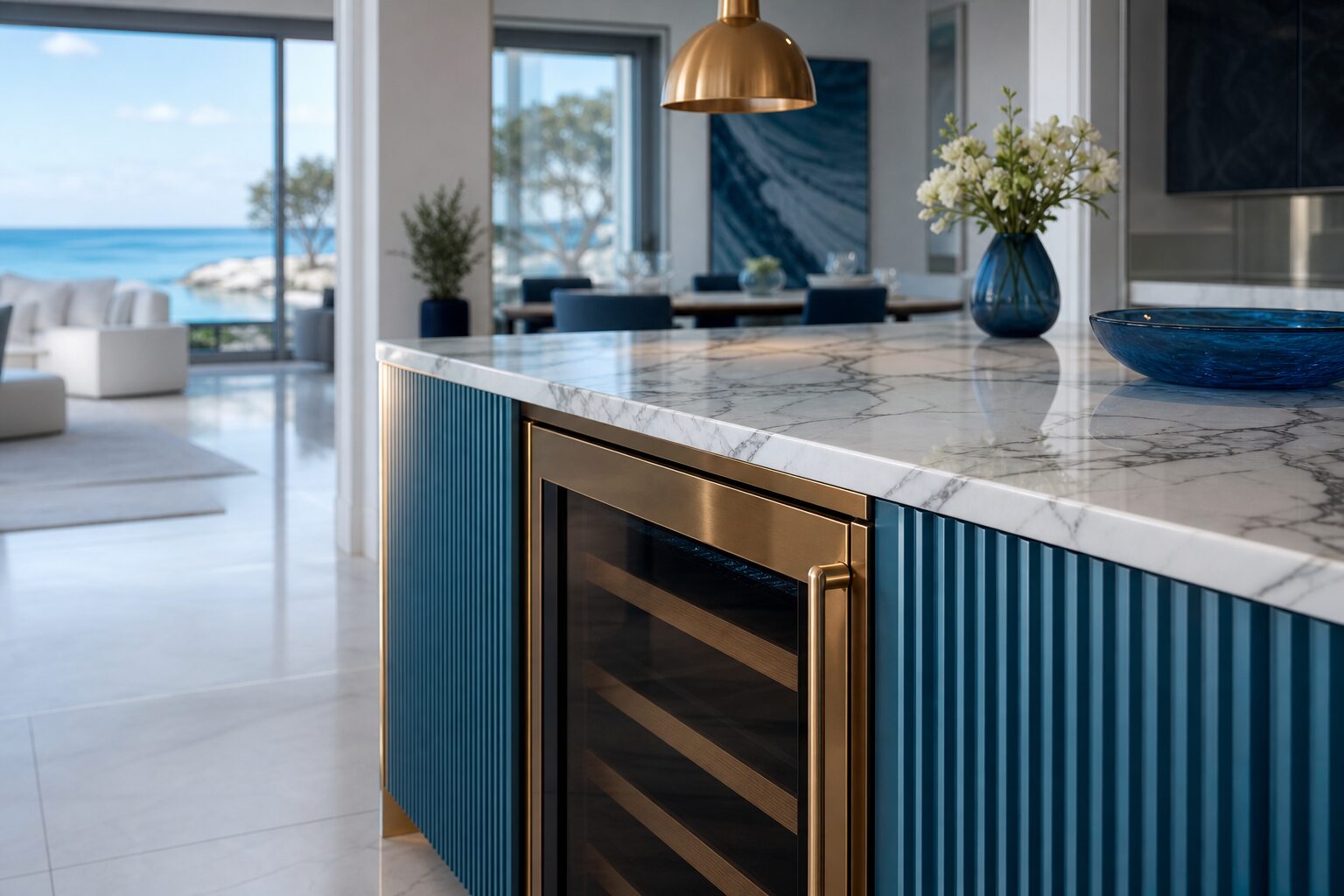
This is not a return to maximalism. It’s a maturation of minimalism itself. The aesthetic your clients are asking for now balances restraint with material richness. Marble. Warm brass. Soft fluting on cabinet fronts. Refrigerators and dishwashers that vanish behind custom panels. The effect is clean, contemporary, and unmistakably high-end.
If you’re still positioning kitchen remodels as either modern-minimal or traditional-warm, you’re missing the category that’s actually moving.
What Exactly Is Warm Minimalism in Kitchen Design?
Warm minimalism strips away clutter and visual noise while introducing materials and tones that feel grounded and tactile. Think marble countertops in soft gray or cream. Cabinetry in warm whites, soft taupes, or natural oak. Hardware in brushed brass or warm bronze, not cold chrome.
The minimalist part remains: clean lines, uncluttered surfaces, purposeful negative space. The warm part adds depth through material selection and subtle texture. It’s luxury through restraint, not through abundance.
This matters to your kitchen remodeling practice because it’s a positioning sweet spot. Your clients want to feel like they’ve invested in something refined, not trendy. They want their kitchen to photograph well. And they want it to feel calm, not cold.
Why Concealed Appliances and Fluted Details Are Leading This Movement
Concealed appliances, refrigerators, dishwashers, even range hoods, are no longer a luxury add-on. They’re becoming the baseline expectation in high-end kitchen remodels across Southern California.
The reasoning is straightforward. A kitchen with no visible appliances reads as more spacious, more intentional, and more expensive. The eye moves across clean cabinetry instead of stopping at stainless steel boxes. That psychological shift is worth the custom paneling cost.
Fluted cabinetry, vertical grooves or ridges on cabinet fronts, serves a similar function. It breaks up large flat surfaces without introducing visual clutter. The texture catches light differently at different times of day. It feels handcrafted, even when it’s precision-manufactured.
Learn more about how these details work together in fluted cabinetry and integrated stone kitchen remodels. The technical execution matters as much as the aesthetic.
Marble and Stone as the Centerpiece of Luxury Minimalism
Marble is having a genuine moment, but not in the way it did ten years ago. Your clients aren’t asking for dramatic veining or bold color blocking. They want soft, understated marble. Calacatta in cream. Statuario in pale gray. Marble that whispers instead of shouts.
The integration of stone into kitchen design has also shifted. Instead of marble as a countertop only, it’s now appearing as waterfall edges, integrated into island bases, and occasionally as a backsplash accent. The material becomes a design element, not just a functional surface.
Warm metallics, brass, bronze, warm gold, are the natural pairing. They complement pale stone without competing with it. A brass faucet against cream marble reads as intentional luxury. Chrome against the same marble feels dated.
This is where your kitchen cabinet and countertop expertise becomes a differentiator. Material selection and integration are not afterthoughts. They’re the foundation of the entire design.
How This Trend Differs from All-White Minimalism
Five years ago, all-white kitchens were the luxury default. White cabinetry, white countertops, white tile. Minimalism meant erasure, everything disappearing into whiteness.
The problem became obvious: all-white kitchens feel cold. They show every fingerprint. They lack personality. And they all look identical.
Warm minimalism solves this by introducing tone and texture while maintaining the core minimalist principle: nothing unnecessary. The difference is that now, materials themselves become the design story.
Explore the warm minimalism revolution and moving beyond all-white kitchens for a deeper look at how this shift changes the remodeling conversation with clients.
Practical Implementation: What This Means for Your Kitchen Remodeling Process
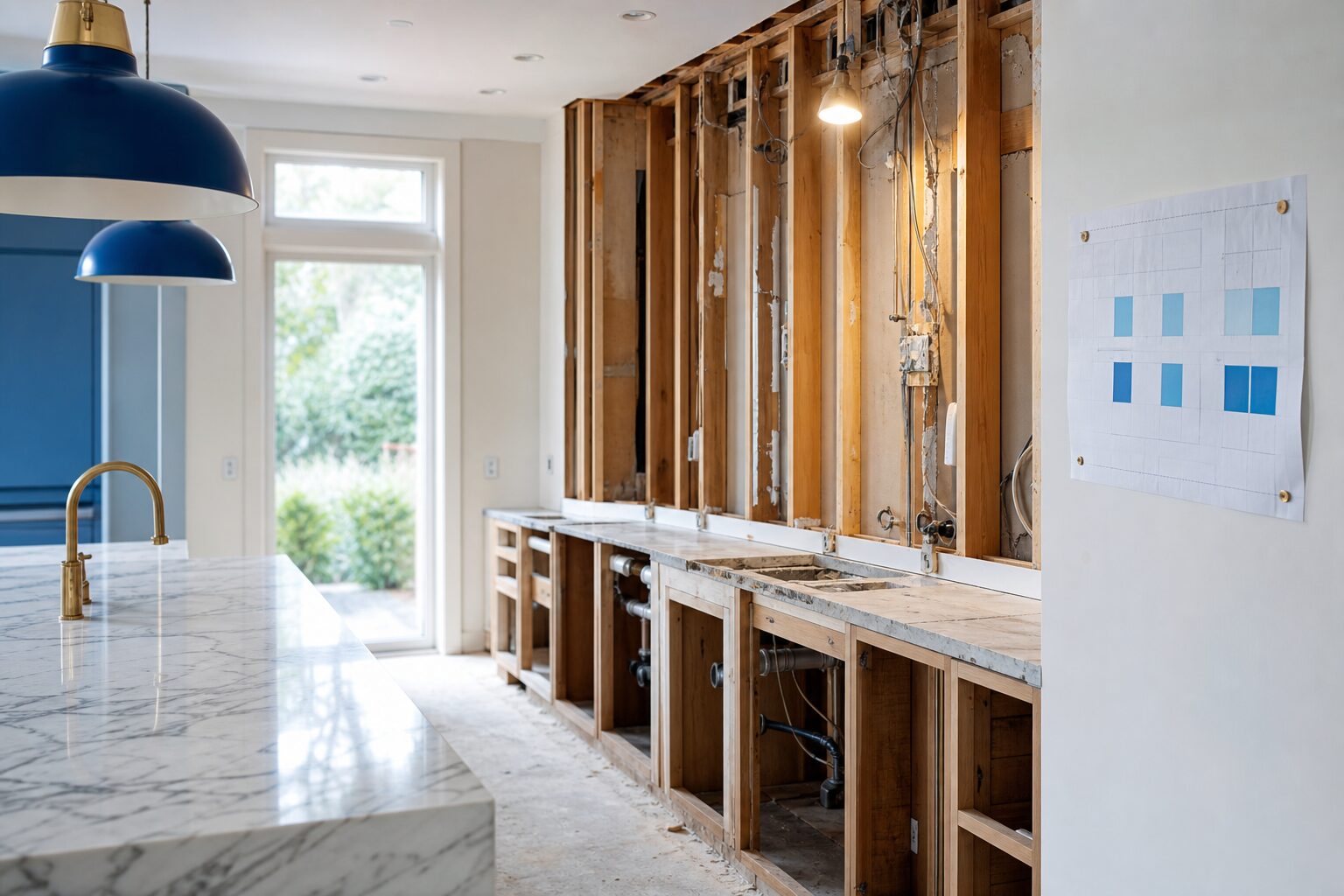
If your kitchen remodels are still centered on layout and appliance placement, you’re missing the material conversation that’s actually driving decisions now.
Start by introducing clients to marble and stone options early. Show them how different lighting affects the appearance of pale stone. Explain why concealed appliances require custom cabinetry and why that investment pays off visually. Walk them through fluted cabinet samples in person, photographs don’t capture the texture.
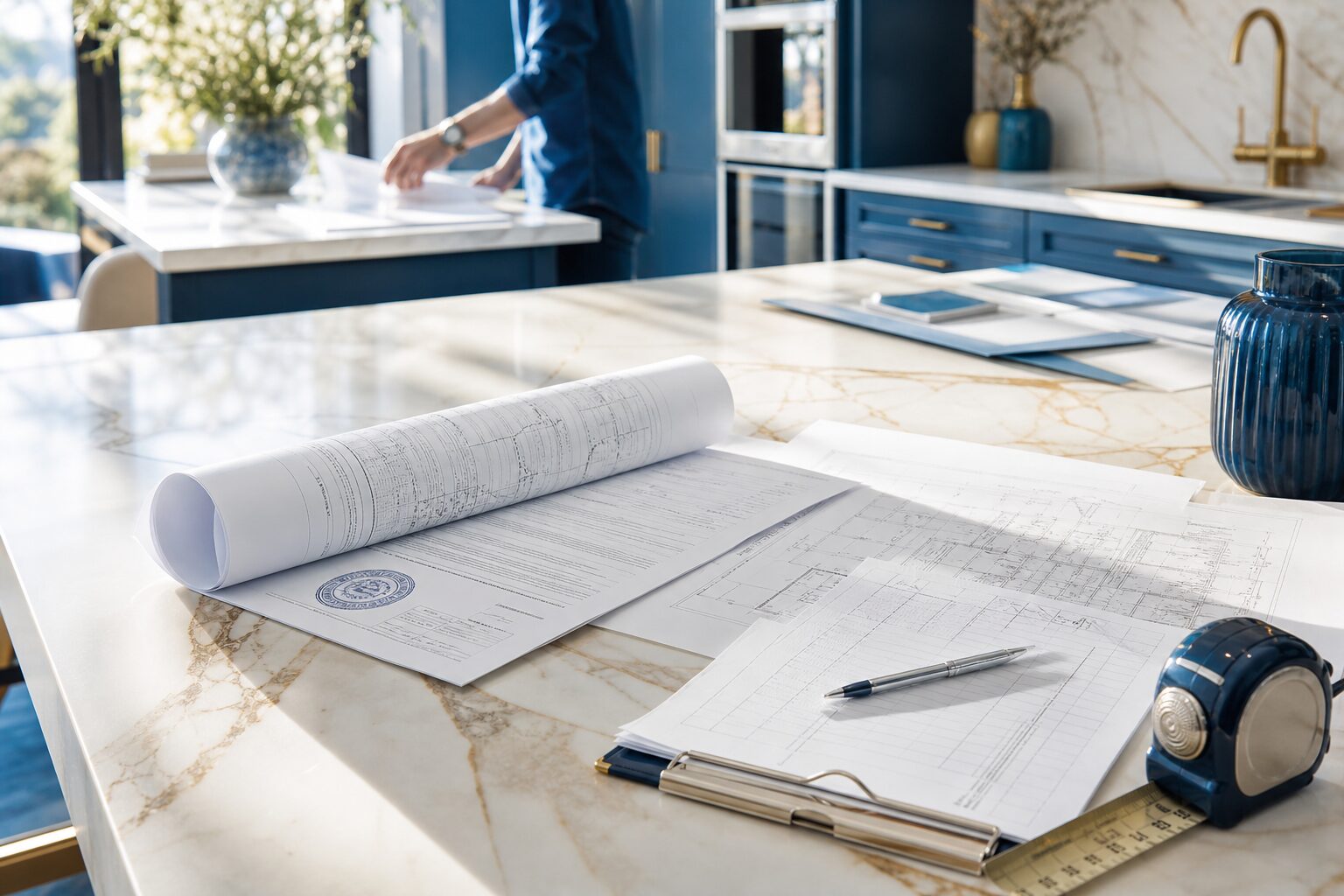
The technical side matters too. Marble requires sealing. Fluted cabinetry requires precision manufacturing. Concealed appliances need proper ventilation and electrical planning. These are not complications. They’re the details that separate a well-executed luxury kitchen from a mediocre one.
Pro tip: When presenting warm minimalism to clients, show them the same space in three versions: all-white, warm-minimalist, and traditional. The warm-minimalist option will almost always win. It feels like the best of both worlds, and it justifies the investment in quality materials and craftsmanship.
Why Warm Metallics Matter More Than You Think
Hardware and fixtures are often treated as an afterthought in kitchen design. Pick something that matches the style, move on.
In warm minimalism, they’re not afterthoughts. A single brass faucet, a set of warm bronze pulls, a brushed gold light fixture, these pieces anchor the entire aesthetic. They’re visible. They’re touchable. They communicate luxury through restraint.
The shift from chrome and stainless to warm metals is not subtle. It changes how the entire kitchen feels. Warm metals against pale stone create an atmosphere of calm sophistication. Cold metals create a clinical feel, no matter how expensive they are.
This is worth a conversation with your clients. Many don’t realize how much hardware choice affects the overall impression until they see it installed.
Positioning Your Practice Around This Aesthetic
If warm minimalism resonates with your design sensibility, make it central to how you present your work. Your kitchen remodeling portfolio should showcase integrated stone, fluted cabinetry, concealed appliances, and warm metallics. Not every project needs all of these, but the overall visual language should be consistent.
This positioning attracts clients who are willing to invest in quality. They’re not shopping on price. They’re shopping on aesthetic alignment and craftsmanship. That’s a better conversation to have.
Visit your inspiration gallery to see how these elements come together across completed projects.
Frequently Asked Questions
Is warm minimalism just a trend, or is it here to stay?
Warm minimalism is a maturation of minimalism itself, not a temporary trend. The core principle, restraint and intentionality, has staying power. The specific material choices (warm metallics, pale stone) may shift slightly, but the overall aesthetic will remain relevant because it solves real problems: it feels luxurious without feeling cold, and it photographs beautifully. Clients investing in kitchen remodels now are choosing a look that will feel current for years.
Do I need to use marble to achieve this aesthetic?
Marble is the most common choice for warm minimalist kitchens, but it’s not mandatory. High-quality quartz in pale tones, engineered stone, or even light granite can work. The key is selecting a material that feels substantial and has subtle visual interest. Marble is popular because it delivers both qualities naturally, but the principle is what matters: material quality and thoughtful tone selection.
How much more expensive is a warm minimalist kitchen compared to a standard remodel?
The cost difference depends on material choices and scope. Concealed appliances and custom cabinetry add expense. Quality marble or stone adds expense. Fluted cabinetry requires precision manufacturing. However, these are not hidden costs, they’re visible in the final product. Most clients understand that material quality and custom details justify the investment when they see the result. The conversation should focus on value, not just price.
Can warm minimalism work in smaller kitchens?
Yes. In fact, the minimalist principle of visual restraint is especially valuable in smaller spaces. Clean lines, uncluttered surfaces, and a focused material palette make small kitchens feel larger. Concealed appliances are particularly effective in compact kitchens because they eliminate visual bulk. The warm materials prevent the space from feeling cramped or institutional.
What if my client wants color in their kitchen?
Warm minimalism is not anti-color. It’s anti-clutter. A single accent wall in a soft sage or warm gray, or cabinetry in a warm taupe or soft white-oak, works within the aesthetic. The key is restraint: one or two colors maximum, applied thoughtfully. Avoid high-saturation or trendy colors. The palette should feel timeless.
