


A kitchen remodel in Southern California typically runs 8 to 12 weeks. A bathroom lands closer to 4 to 8 weeks. Flooring alone, 1 to 3 weeks depending on square footage and material. But these numbers are only useful if you understand what actually drives the timeline, because the difference between a 6-week bathroom and a 12-week bathroom isn’t complexity, it’s permits, material lead times, and whether you’re remodeling in July or January.
The honest answer to “how long will my remodel take” is this: your timeline depends less on the work itself and more on everything happening around the work. The actual construction is predictable. Everything else isn’t.
What’s the Real Difference Between a Quick Remodel and a Long One?
Two identical kitchens. Same square footage. Same cabinet style. Same countertop material. One finishes in 10 weeks. The other takes 16. The difference isn’t the contractor’s skill or the complexity of the work. It’s almost always one of three things: permit timing, material availability, or the season you’re remodeling in.
Permits in Southern California can add 2 to 4 weeks to your timeline before a single nail gets driven. Some jurisdictions move faster than others. Orange County coastal cities tend to be slower than inland areas. If your project requires structural changes, removing a wall, relocating plumbing, upgrading electrical, expect the permit process to stretch longer. If it’s cosmetic work, you might skip permits entirely, which immediately buys you those weeks back.
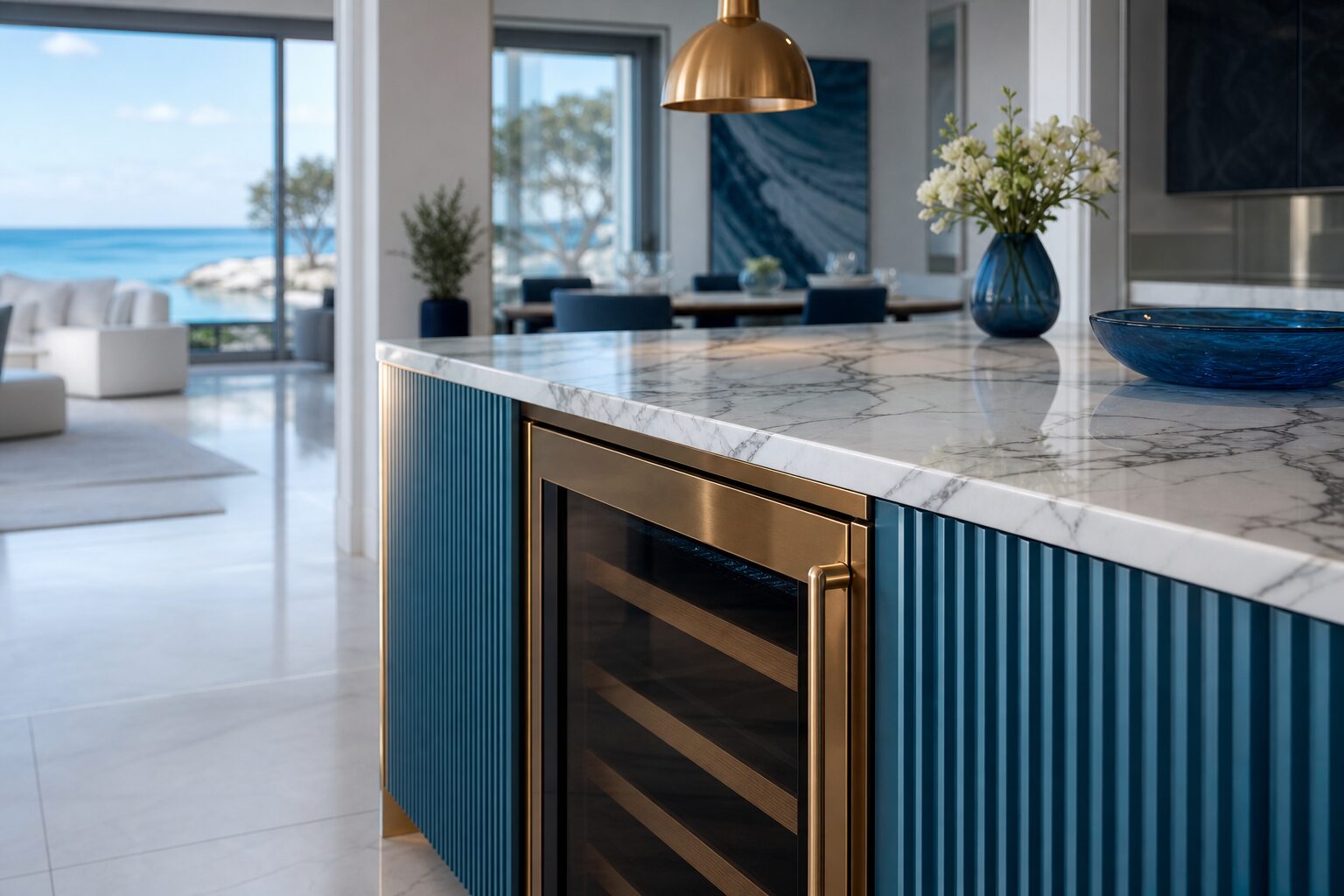
Material lead times are the second culprit. Order a standard cabinet door in August and it arrives in two weeks. Order a custom marble countertop or a specialty tile in September and you’re waiting 6 to 10 weeks minimum. High-end finishes and custom pieces create invisible delays that aren’t anyone’s fault, they’re just part of luxury material sourcing. This is why starting your material selection early, not late, actually compresses your total project time.
Season matters more than most homeowners realize. Summer is peak remodeling season in California. Contractors are booked. Suppliers are slammed. Material lead times stretch. Winter moves faster because demand is lower, but you’re contending with shorter daylight hours and occasional rain delays. Spring and fall are the sweet spot, moderate demand, reasonable lead times, predictable weather.
How Long Does a Kitchen Remodel Actually Take?
Kitchen remodels are the longest projects most homeowners undertake. A mid-scale kitchen, new cabinets, countertops, appliances, and flooring, typically runs 10 to 14 weeks from permit approval to final walkthrough. A luxury kitchen with custom cabinetry, marble or high-end quartz counters, and premium appliances can stretch to 16 to 20 weeks, mostly because of material lead times.
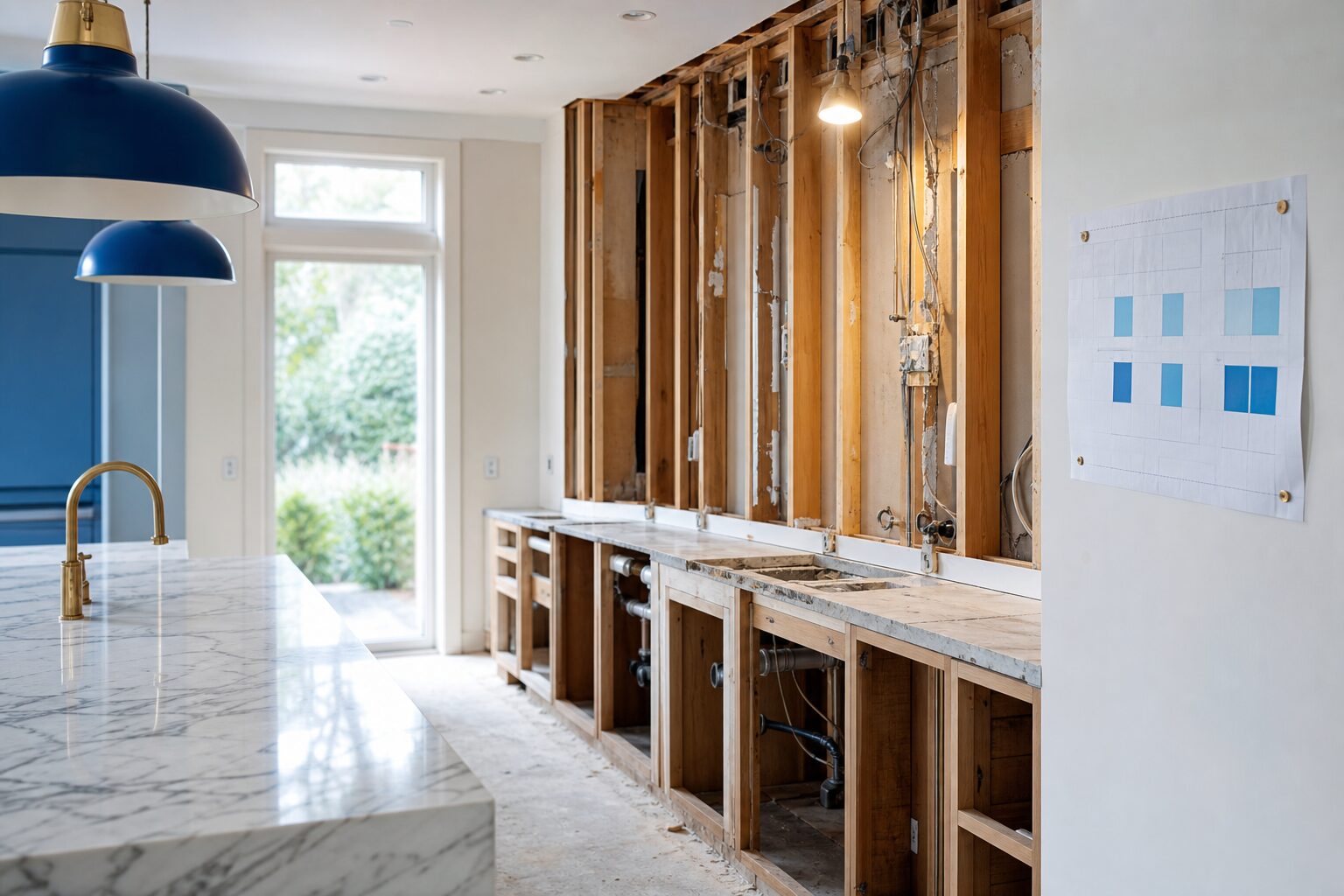
The work itself breaks down roughly like this: demolition and prep (1 to 2 weeks), framing and mechanical work if needed (1 to 2 weeks), cabinet installation (2 to 3 weeks), countertops (1 to 2 weeks), appliances and fixtures (1 week), flooring (1 to 2 weeks), final finishes and trim (1 to 2 weeks). But those are only the weeks when work is actually happening. In between, you’re waiting for materials to arrive, inspections to clear, or the next phase to start.
A kitchen that feels “fast” usually has one thing in common: the homeowner ordered materials early and the contractor had clear access to the space. A kitchen that drags usually has one or both of these working against it: material delays or scope creep mid-project.
What About Bathroom Remodels? Are They Faster?
Yes, but not by as much as you’d think. A straightforward bathroom remodel, new vanity, fixtures, tile, and flooring, runs 6 to 10 weeks. A luxury bathroom with custom tile work, heated floors, a walk-in shower with multiple shower heads, and high-end finishes can stretch to 12 to 16 weeks.
The bathroom remodeling timeline in Southern California is heavily influenced by tile and fixture choices. If you’re using standard subway tile and off-the-shelf fixtures, you’re moving faster. If you’re sourcing imported marble, custom tile patterns, or specialty fixtures, you’re adding weeks to material lead times alone.
Plumbing and electrical work also compress or expand your timeline. A simple vanity swap is quick. Relocating plumbing for a new toilet location, moving the shower, or upgrading to a luxury steam shower adds complexity and time. The bathroom remodeling process timeline in Orange County often includes permit reviews for plumbing and electrical that can add 2 to 4 weeks before work even starts.
How Long Does Flooring Installation Take?
Flooring is deceptively simple. The actual installation, whether it’s hardwood, luxury vinyl, tile, laminate, or carpet, typically takes 1 to 3 weeks depending on square footage and material complexity. A 2,000-square-foot home with standard luxury vinyl flooring might take 2 weeks. The same home with custom tile patterns or premium hardwood takes 3 to 4 weeks.
But flooring rarely happens in isolation. If you’re doing flooring as part of a larger remodel, it’s usually the last phase, which means delays earlier in the project push your flooring timeline back. Subfloor prep and repairs can also add time if the existing floor is damaged or uneven. Luxury vinyl and tile need a perfectly flat surface. Hardwood is more forgiving, but premium installations still require proper prep.
What About Whole-Home Remodels?
If you’re doing kitchen, bathrooms, and flooring all at once, the timeline compounds but doesn’t simply add up. A whole-home remodel typically runs 16 to 24 weeks. The advantage is that permits and inspections happen once, not multiple times. The disadvantage is that any delay in one area affects everything downstream.
The kitchen, bathroom, and flooring remodeling planning guide for Orange County breaks this down more specifically, but the principle is the same: coordinate your material orders so everything arrives in the right sequence, not all at once or staggered randomly.
When Should You Actually Start Your Project?
If you want to minimize your timeline, start in October or November. Demand is lower, contractors have more availability, and you’ll finish by spring. Avoid starting in June or July unless you’re comfortable with a longer timeline and higher costs due to peak-season pricing.
If you’re ordering custom materials, start your selection and ordering process 4 to 6 weeks before you want construction to begin. This gives you a buffer for lead times and ensures materials arrive when you need them, not weeks into the project.
Pro tip: The fastest projects aren’t the ones with the most money or the biggest team. They’re the ones where the homeowner has made all material decisions before the first day of construction. Decisions made mid-project always cost time.
What Slows Down Projects Most Often?
Permit delays are the most common culprit, adding 2 to 6 weeks depending on your jurisdiction. Material lead times come second. Scope creep, changes requested mid-project, comes third. A homeowner who decides to upgrade their countertop material two weeks into construction just added 4 to 6 weeks to the timeline.
Weather is a factor in Southern California, but less so than in other regions. Rain can delay outdoor work or tile curing, but it’s rarely the primary driver of delays. Contractor availability matters, but only if you’re working with a contractor who’s already overbooked.
Frequently Asked Questions
Can a bathroom remodel really be done in 4 weeks?
Yes, if it’s a simple refresh with no plumbing or electrical changes, no permit required, and all materials are in stock. But most bathroom remodels involve at least some plumbing work, which requires permits and inspections. Four weeks is possible but rare. Six to eight weeks is more typical.
Why do material lead times matter so much?
Because you can’t install something that hasn’t arrived yet. Custom cabinetry, marble countertops, and specialty tile can take 6 to 10 weeks to manufacture and ship. If you order these materials after construction starts, you’re adding weeks to your timeline. Ordering early is the only way to compress the schedule.
Does a bigger budget make a remodel faster?
Sometimes, but not always. A bigger budget can get you faster material delivery and more crew availability, but it can’t speed up permit processing or material manufacturing. It can reduce some delays, but it won’t eliminate them.
What’s the fastest season to remodel in Southern California?
Fall and early winter, October through December. Demand is lower, contractors have more availability, and material lead times tend to be shorter. Summer is the slowest season because everyone is remodeling at once.
Should I do all my remodeling at once or in phases?
Doing it all at once is usually faster because permits and inspections happen once, and you avoid the disruption of multiple projects. Phasing it out stretches your timeline but gives you time to save and adjust to each phase before starting the next one.
