

Why Slab Backsplashes are Revolutionizing Kitchen Remodeling
In the world of high-end kitchen remodeling, few trends have made as significant an impact as the full-height slab backsplash. For decades, tile has been the default choice, but homeowners and designers are increasingly turning to the monolithic beauty of a single, continuous stone or porcelain slab. This shift represents more than just a fleeting style; it’s a fundamental change in how we perceive the kitchen’s vertical surfaces, transforming them from functional afterthoughts into dramatic focal points. A slab backsplash kitchen remodeling project elevates the entire space, creating a seamless, luxurious aesthetic that tile simply cannot replicate.
Seamless Design Benefits
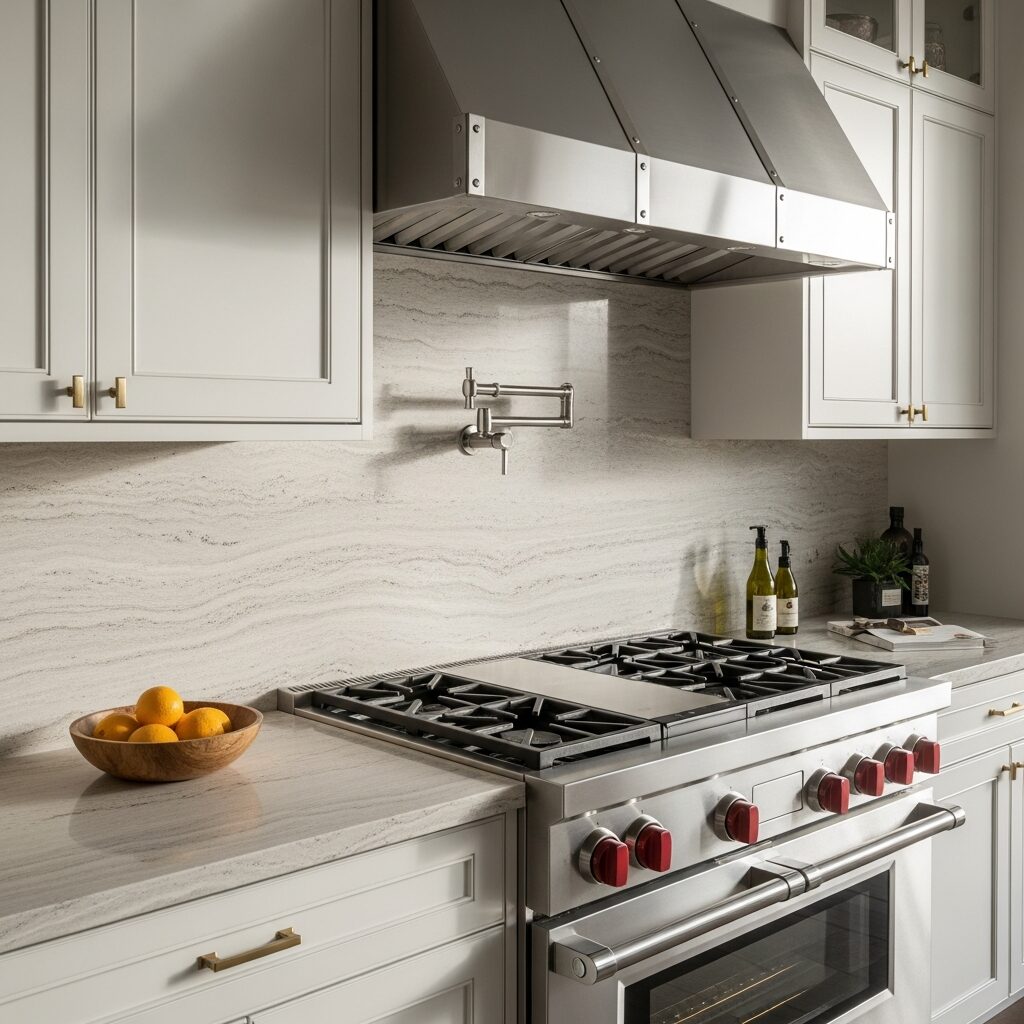
The most immediate and striking advantage of a slab backsplash is the complete absence of grout lines. Grout, while necessary for tile, visually breaks up a surface, creating a grid that can feel busy and dated. A solid slab, by contrast, offers an uninterrupted canvas. This allows the intricate veining of a natural stone like marble or the clean, consistent pattern of engineered quartz to flow continuously from the countertop up to the cabinets. This seamless design creates a sense of cohesion and expanse, making the kitchen feel larger, cleaner, and more intentionally designed. It’s a powerful tool for achieving a polished, high-end look that feels both timeless and modern.
Enhanced Property Value
A complete kitchen renovation is one of the most effective ways to increase your home’s value, and a full-height slab backsplash is a detail that signals a top-tier investment to potential buyers. It speaks of quality, attention to detail, and a budget that extends beyond the basics. Unlike trendy tile patterns that can quickly fall out of fashion, a classic stone or quartz slab has enduring appeal. Real estate professionals recognize this feature as a hallmark of a luxury remodel, making it a significant contributor to your return on investment. It’s not just a backsplash; it’s a statement piece that enhances the perceived value of the entire property.
Modern Aesthetic Appeal
The clean lines and grand scale of a stone slab backsplash are perfectly aligned with modern, minimalist, and transitional design principles. This feature provides a stunning backdrop for open shelving, minimalist range hoods, and sleek cabinetry. For those seeking true drama, book-matched slabs—where two adjoining slabs mirror each other—can create a breathtaking, symmetrical work of art. Whether you’re aiming for the organic elegance of Calacatta marble or the industrial chic of a concrete-look quartz, the full-height backsplash provides a powerful visual anchor. For more inspiration on how this element can transform a space, exploring a gallery of kitchen renovation ideas can showcase its versatility and impact.
The Critical Role of Precision in Slab Backsplash Installation
The stunning visual reward of a slab backsplash comes with a non-negotiable requirement: absolute precision during every phase of the installation. Unlike tile, which can be adjusted to hide minor imperfections in walls or cabinets, a solid slab is unforgiving. A successful outcome depends entirely on meticulous preparation and expert execution, turning a seemingly simple installation into a highly technical procedure.
Cabinet Alignment Demands
The foundation for a flawless slab backsplash begins with the cabinets. Both base and upper cabinets must be perfectly level, plumb, and installed in a true plane. If the upper cabinets are even a quarter-inch out of alignment with the base cabinets over a ten-foot run, it will create a visible, tapering gap against the straight edge of the slab. An experienced remodeling team understands this critical dependency. The cabinet installation must be executed with laser-level accuracy, ensuring there are no bows, dips, or inconsistencies that will be magnified by the solid backsplash.
Flawless Wall Preparation Techniques
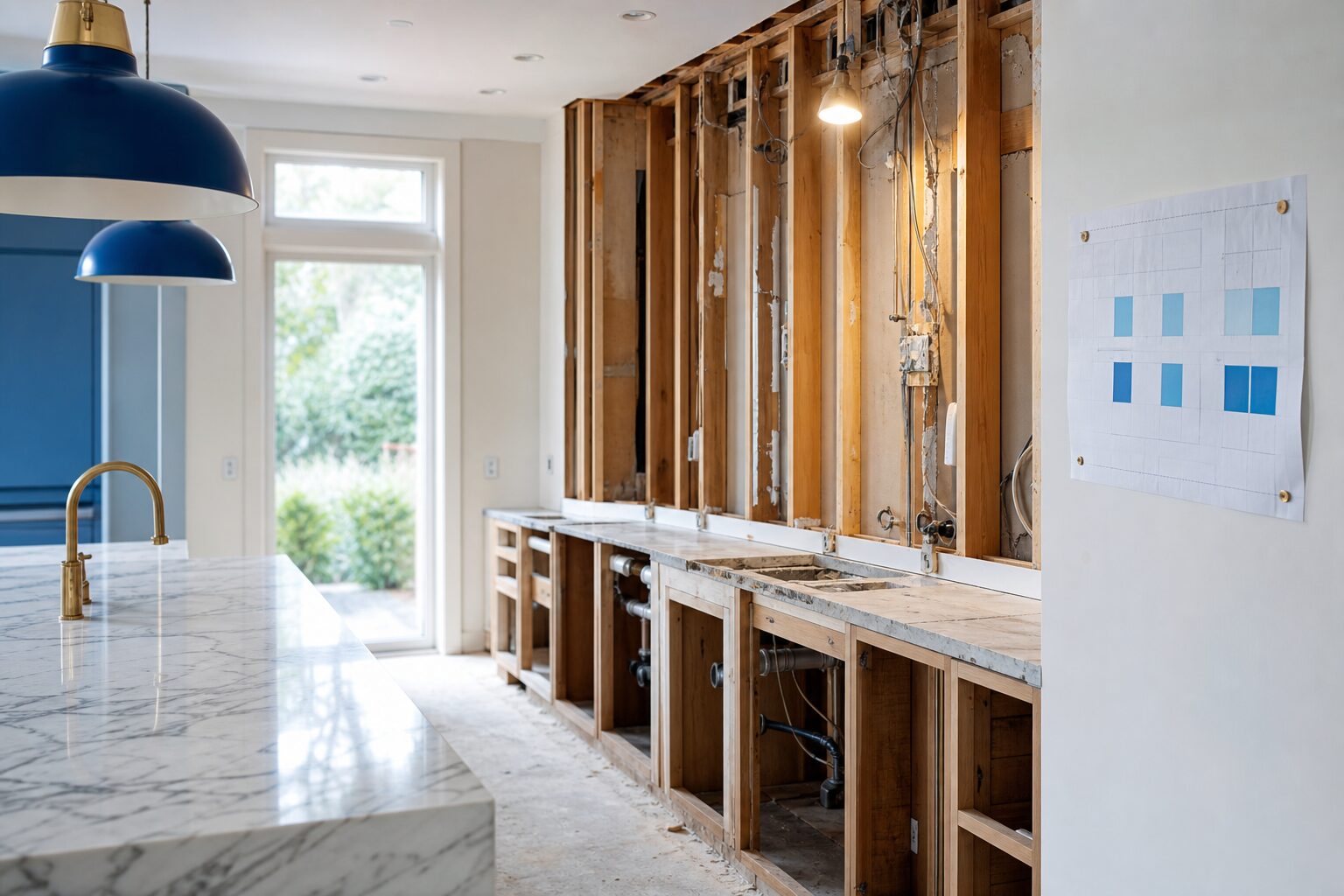
Standard drywall is rarely perfectly flat. For tile, minor waves or bows in the wall can be compensated for with mortar. A rigid stone slab, however, cannot bend. Before a slab can be installed, the wall behind it must be painstakingly prepared. This involves checking the entire surface with a long straightedge to identify high and low spots. High spots must be sanded down, and low spots must be “floated” with joint compound and feathered out to create a perfectly flat, monolithic surface. This step is non-negotiable and is a key differentiator between an amateur and a professional installation.
Expert Templating and Fabrication
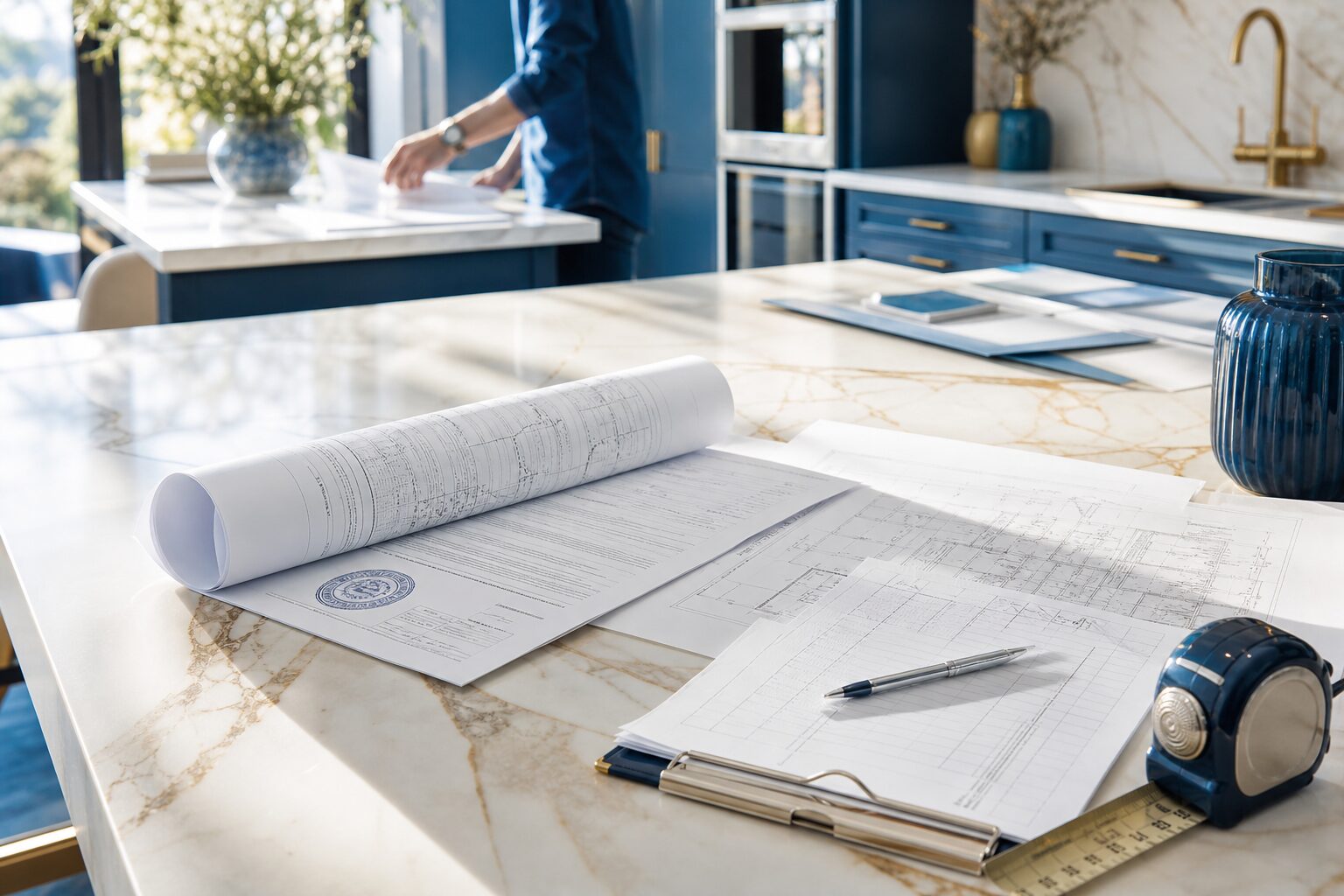
Once the walls and cabinets are perfect, the templating process begins. Modern, high-end remodelers use digital templating technology to capture precise measurements down to the millimeter. This digital blueprint accounts for the exact locations of every electrical outlet, light switch, and window opening. The template is then sent to a fabrication facility where advanced CNC (Computer Numerical Control) waterjet or sawjet machines cut the slab. This technology ensures perfectly clean, accurate cuts that a manual process could never achieve, guaranteeing that the final piece will fit flawlessly into its designated space.
Aesthetic Risks: What Happens with Poor Backsplash Renovation?
When a slab backsplash installation is handled by an inexperienced team, the dream of a seamless, luxury kitchen can quickly turn into a nightmare of visible flaws. The financial and aesthetic costs of a poor renovation are significant, as these errors are often difficult or impossible to fix without replacing the entire expensive slab.
Visible Seams and Gaps
The primary goal of a slab backsplash is a seamless look. Poor templating or installation immediately undermines this. Gaps between the countertop and the bottom of the backsplash, or between the top of the slab and the upper cabinets, are common signs of a rushed or inexpert job. These gaps not only look unsightly but also become collection points for grease and grime. They often require bulky caulk lines to conceal, which defeats the purpose of the clean, grout-free aesthetic.
Uneven Surfaces and Lippage
If the wall preparation was skipped or done improperly, the installed slab will follow the contours of the imperfect wall. This can cause the slab to bow slightly or appear wavy, which becomes obvious under kitchen lighting as it creates distorted reflections and shadows. Furthermore, if the slab needs to be installed in multiple pieces (for example, around a large window), a condition known as lippage can occur, where one edge of a piece sits higher than the adjoining one. This creates a noticeable “lip” that is both a visual and tactile flaw.
Damage During Installation
Stone and porcelain slabs are extremely heavy and surprisingly fragile during transport and installation. Maneuvering a large, awkward piece of material into a finished kitchen requires specialized equipment, knowledge, and manpower. An inexperienced crew can easily crack a corner, chip an edge, or scratch the polished surface. Such damage can lead to catastrophic failure, requiring a brand new slab to be ordered and fabricated, causing major project delays and significant unexpected costs.
Choosing the Right Materials for Your Full-Height Backsplash
The material you select for your full-height backsplash will define the kitchen’s character. The choice goes beyond pure aesthetics; it involves considering durability, maintenance, and how the material will perform in the demanding kitchen environment, especially behind the cooktop.
Quartz vs. Natural Stone for Backsplashes
Engineered quartz is a popular choice for its consistency and durability. It’s non-porous, meaning it won’t stain from splatters of wine or tomato sauce, and it requires no sealing. The patterns are man-made, offering a predictable and uniform appearance. Natural stones like marble, quartzite, and granite offer one-of-a-kind, organic beauty that cannot be replicated. Each slab is unique. However, they are porous to varying degrees and require periodic sealing to protect against stains. Marble is softer and more prone to etching from acidic substances, a key consideration for a functional backsplash.
Durable Porcelain Slab Options
Porcelain slabs are a technological marvel and a fantastic option for a full-height backsplash. They are incredibly dense and durable, making them highly resistant to scratches, heat, and stains. Because they are non-porous, they are exceptionally hygienic and easy to clean. Modern printing technology allows porcelain to convincingly mimic the look of the most exotic marbles and natural stones without the associated maintenance. For a deeper dive into engineered materials, comparing quartz and porcelain highlights the unique benefits of each for kitchen applications.
Considerations for Maintenance and Longevity
Your lifestyle should influence your material choice. If you are a passionate cook who values low maintenance, quartz or porcelain are excellent choices. They can be cleaned with simple soap and water and will resist damage from heat and food spills. If you adore the unique character of natural stone and are diligent about maintenance (wiping spills immediately and sealing annually), then marble or quartzite can be a stunning and durable choice. All these options offer superior longevity compared to tile, ensuring your kitchen remains beautiful for decades.
Achieving a Flawless Finish in Southern California Kitchens
A successful slab backsplash kitchen remodeling project is the sum of its parts: expert design, meticulous planning, precise fabrication, and flawless installation. It’s an integrated process that demands a high level of coordination and expertise from a single, accountable team.
The Importance of Certified Installers
Installing a full-height slab backsplash is not a task for a general handyman or a typical tile setter. It requires a team of certified installers who specialize in handling and setting large, heavy slabs. These professionals have the proper training, suction cup lifting systems, and knowledge of the correct adhesives and support techniques to ensure the slab is mounted securely and perfectly. Entrusting this critical task to anyone but a specialist is a significant risk to your investment.
Integrated Countertop and Backsplash Design
The most successful projects are those where the same company designs, fabricates, and installs both the countertops and the backsplash. This single-source approach guarantees a perfect match in material from the same dye lot or stone block. It also ensures that the transition point—the seam between the countertop and the backsplash—is perfectly executed. When one expert team handles the entire precision countertop installation and backsplash, accountability is clear, and the final result is a harmonious, truly seamless kitchen design.
Local Expertise in Southern California
At California Signature Kitchen Bath & Floor, we have spent years perfecting the art of slab installation in homes throughout Orange County, Riverside, and San Bernardino. Our integrated team of designers and certified installers understands the entire process, from ensuring perfect cabinet alignment to executing flawless wall preparation and digital templating. We manage every detail to deliver the stunning, high-end finish that a full-height slab backsplash promises.
