

Walk-in showers and freestanding tubs each add resale value, but a wet room design typically commands the highest premium because it signals a complete, intentional bathroom renovation rather than a single fixture upgrade. The real question isn’t which one wins across the board, it’s which one fits your space, your lifestyle, and your budget without compromising the refined aesthetic that makes a bathroom feel like a sanctuary.
What’s the actual difference between these three options?
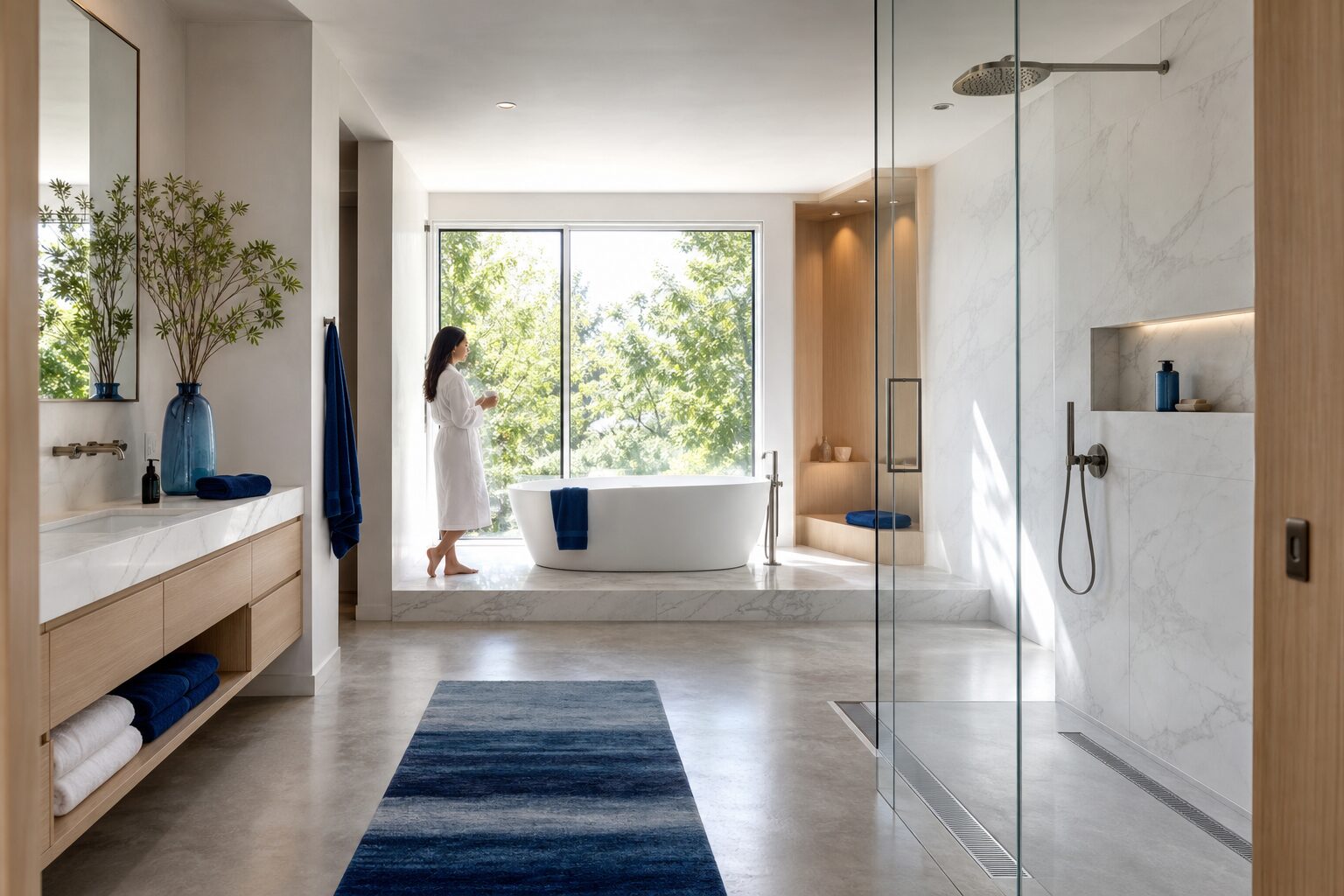
A walk-in shower is a fully enclosed or semi-enclosed shower space with no curb or minimal threshold, usually featuring glass enclosure and a linear drain. It reads clean, contemporary, and efficient. A freestanding tub sits independently in the room, typically positioned as a focal point, and requires its own plumbing infrastructure separate from the shower. A wet room is a fully waterproofed bathroom where the entire floor slopes toward a central drain, allowing you to shower anywhere in the space without a traditional enclosure.
The distinction matters because each requires different structural work, different material choices, and different design thinking. A walk-in shower can fit into an existing bathroom footprint with moderate renovation. A freestanding tub demands dedicated floor space and visual weight. A wet room is a complete reimagining of how the bathroom functions.
Which one actually adds the most resale value?
Wet rooms command the highest perceived value because they signal luxury and intentionality, but walk-in showers deliver the best return-on-investment for most Southern California homes. Buyers recognize a walk-in shower immediately as a modern convenience. Freestanding tubs appeal to a smaller buyer segment, people who soak regularly and want that visual statement. Wet rooms are aspirational but less universally understood, so they appeal to design-forward buyers willing to pay for that sophistication.
In practical resale terms, a well-executed walk-in shower typically recovers 60 to 70 percent of its installation cost in home value. A freestanding tub recovers less because it’s a lifestyle choice, not a universal upgrade. A wet room, when done right, can recover closer to what you invest because it transforms the entire bathroom experience and speaks to a high-end renovation.
The catch: wet rooms require flawless waterproofing and drainage design. A poorly executed wet room becomes a liability. A walk-in shower is harder to get wrong.
What’s the installation complexity and timeline for each?
Walk-in showers are the straightforward choice. You’re typically removing an existing tub or shower, installing a linear drain system, waterproofing the base, and framing glass enclosure. Most projects run four to six weeks depending on tile selection and any structural surprises. The labor is standard, the materials are reliable, and the design language is forgiving.
Freestanding tubs require dedicated plumbing runs for both supply and drain, which means potentially opening walls or running lines through adjacent spaces. You’re also managing the visual weight of the tub itself, it needs the right surround, the right floor material, the right distance from windows or other fixtures. Installation is five to eight weeks because plumbing coordination adds complexity. The payoff is a stunning focal point, but it demands more design intention upfront.
Wet rooms are the most demanding. Every surface must slope toward the drain. Waterproofing is not optional, it’s structural. You’re working with specialized membranes, careful substrate preparation, and precise grading. A single mistake in slope or sealing compromises the entire room. Timeline is typically eight to twelve weeks because there’s no rushing the waterproofing phase. This is where working with a contractor experienced in wet room design matters enormously. Visit our guide on wet room design and modern bathroom sanctuary principles to understand the full scope.
How do costs compare across the three options?
| Option | Typical Budget Range | Key Cost Drivers |
|---|---|---|
| Walk-In Shower | $8,000–$18,000 | Glass enclosure, tile, linear drain system, waterproofing |
| Freestanding Tub | $6,000–$25,000 | Tub itself ($2,000–$15,000), plumbing runs, surround materials, faucet |
| Wet Room | $15,000–$35,000+ | Waterproofing membrane, structural prep, specialized drainage, tile, labor complexity |
The walk-in shower is the most budget-friendly entry point to a modern bathroom. You’re investing in quality materials and clean design without structural overhaul. A freestanding tub’s cost is volatile because the tub itself can range from $2,000 to $15,000 depending on material and brand. Wet rooms are the premium investment, and that cost is non-negotiable because you cannot cut corners on waterproofing or drainage without creating future problems.
Pro tip: Budget for materials that will age beautifully. Marble, natural stone, and high-quality tile are worth the premium in a luxury bathroom because they develop character over time rather than showing wear. Cheap tile and vinyl will cheapen the entire space within five years.
Which design direction fits a luxury California bathroom?
Walk-in showers align perfectly with the refined coastal aesthetic that defines Southern California luxury. A clean-lined walk-in with marble tile, warm metallic fixtures, and bright natural light reads as effortlessly sophisticated. It’s minimalist without being cold. Pair it with a floating vanity and natural wood accents, and you have a bathroom that feels both contemporary and timeless.
Freestanding tubs work when you’re committing to a spa-like retreat aesthetic. They demand visual weight and presence. A marble or stone surround, soft lighting, and a separate shower (not a combo) create that luxury hotel feeling. This works beautifully in primary bathrooms with the square footage to support it. In a smaller bathroom, a freestanding tub can feel cramped and make the space feel smaller.
Wet rooms are the statement move. They signal that you’ve thought deeply about how the bathroom functions and how it feels. A wet room with natural stone flooring, a rainfall showerhead, and minimalist fixtures creates an immersive experience that photographs beautifully and feels genuinely luxurious. The downside: wet rooms are harder to furnish around. Towel racks, storage, and accessories need to be waterproof or positioned carefully. They’re not for everyone, but they’re unforgettable for the right buyer.
For more on how these fixtures fit into the broader bathroom remodeling decision, explore our comparison of walk-in showers versus bathtubs to understand which direction serves your home and lifestyle best.
What should you actually prioritize in your decision?
Start with how you use your bathroom. If you shower daily and rarely soak, a walk-in shower is the right choice. If you soak weekly and want a visual anchor, a freestanding tub makes sense. If you want to create a complete sensory experience and have the budget and square footage, a wet room is the investment that pays dividends in both daily life and resale perception.
Next, consider your home’s architectural character. A modern California home with clean lines and open spaces suits a walk-in shower or wet room. A traditional or transitional home might benefit more from a freestanding tub because it adds sculptural interest. Mismatched fixture choice and home style creates visual discord that buyers notice immediately.
Finally, work with a contractor who understands luxury bathroom design, not just plumbing. The difference between a competent installation and a refined one is in the details: grout lines, material selection, fixture placement, and lighting. California Signature Kitchen, Bath & Flooring specializes in this level of execution. We don’t just install fixtures; we design bathrooms that feel intentional and age beautifully.
If you’re exploring shower installation options across walk-in, freestanding tub, and wet room designs, reach out for a consultation. We’ll walk through your space, your lifestyle, and your vision to recommend the option that delivers both immediate satisfaction and long-term value.
Frequently Asked Questions
Do walk-in showers really add more value than freestanding tubs?
Walk-in showers typically recover a higher percentage of installation cost because they’re universally appealing and address a basic need. Freestanding tubs appeal to a narrower buyer segment. However, a freestanding tub in the right setting, a spacious primary bathroom with design intention, can be a major selling point. It depends on your buyer profile and market.
Can you have both a walk-in shower and a freestanding tub in the same bathroom?
Yes, but only if you have significant square footage. A primary bathroom of 100+ square feet can accommodate both without feeling crowded. The challenge is design cohesion and plumbing complexity. Most bathrooms benefit from choosing one statement fixture and supporting it with excellent materials and lighting.
Are wet rooms difficult to maintain?
Wet rooms require consistent maintenance because standing water and moisture are part of the design. You need proper ventilation, regular cleaning to prevent mold, and periodic inspection of seals and grout. They’re not higher-maintenance than traditional bathrooms if designed and installed correctly, but they do demand attention. Poor waterproofing creates serious problems.
What’s the best tile for a walk-in shower in a luxury bathroom?
Large-format marble or natural stone tile creates the most refined look. Marble shows movement and character, which reads as expensive and intentional. Porcelain tile that mimics natural stone is a durable alternative. Avoid small mosaic tiles in luxury bathrooms, they read as dated. Grout color matters enormously; a matching or neutral grout line creates visual continuity.
How long do freestanding tubs typically last?
A quality freestanding tub lasts 15 to 25 years depending on material and use. Acrylic tubs are durable but can yellow. Cast iron and stone tubs age beautifully and last longer. The plumbing infrastructure around the tub may need updates before the tub itself fails.
What’s the biggest mistake people make when choosing between these three options?
Choosing based on Instagram aesthetics rather than actual lifestyle. A wet room looks stunning in photos but requires daily ventilation and cleaning. A freestanding tub is beautiful but takes up space and may go unused. A walk-in shower is less photogenic but delivers daily satisfaction and resale value. Choose based on how you actually live.
